
 English
 Français
  Deutsch
  Italiano
  Português
  Português
  Español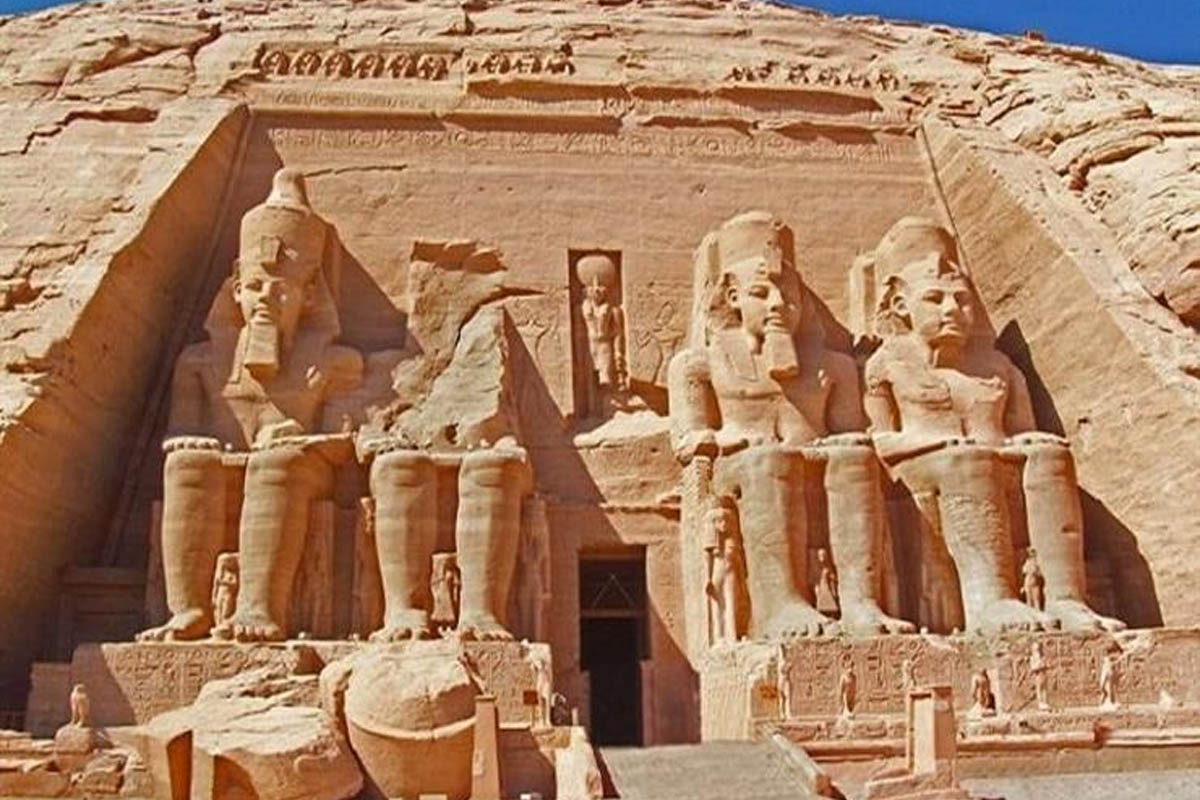

Abu Simbel is one of the most magnificent archaeological sites in Egypt. Located near the southern border with Sudan, these impressive temples were built by Pharaoh Ramses II more than 3,000 years ago. Known for their enormous statues, detailed carvings, and incredible history, the Abu Simbel Temples are recognized as a UNESCO World Heritage Site and attract visitors from around the globe.
The Great Temple of Ramses II
The Great Temple is the most famous of the two temples at Abu Simbel. Its entrance is guarded by four giant statues of Pharaoh Ramses II, each standing about 20 meters tall.
Inside the temple, visitors can admire beautiful halls decorated with ancient carvings that tell stories of military victories, religious ceremonies, and daily life in ancient Egypt.
The Temple of Queen Nefertari
Next to the Great Temple is the smaller Temple of Queen Nefertari, dedicated to Ramses II’s beloved wife and the goddess Hathor.
This temple is unique because it honors a queen with statues nearly the same size as those of the pharaoh, which was very rare in ancient Egyptian history.
A Remarkable Engineering Achievement
During the 1960s, the construction of the Aswan High Dam threatened to flood the temples. In one of the greatest archaeological rescue projects ever completed, the temples were carefully cut into large blocks and moved to higher ground.
This international effort successfully preserved one of Egypt’s greatest treasures for future generations.
Witness the Sun Festival
Twice each year, sunlight enters the Great Temple and illuminates the statues inside the sanctuary. This incredible event, known as the Abu Simbel Sun Festival, takes place in February and October.
Thousands of visitors travel to Abu Simbel to witness this remarkable phenomenon.
Learn About Ancient Egyptian Civilization
The temples offer valuable insight into the religion, architecture, and artistic achievements of ancient Egypt. Every wall is covered with detailed carvings and hieroglyphics that continue to fascinate historians and travelers alike.
A guided tour helps visitors better understand the significance of this extraordinary site.
Explore the Surrounding Area
Abu Simbel overlooks the beautiful waters of Lake Nasser, one of the largest artificial lakes in the world. The peaceful surroundings provide stunning views and excellent opportunities for photography.
Many visitors choose to spend time enjoying the natural beauty after exploring the temples.
Best Time to Visit Abu Simbel
The best time to visit is between October and April when temperatures are cooler and more comfortable for sightseeing. Early morning visits are especially recommended to avoid the heat and enjoy better lighting for photography.
Why Visit Abu Simbel?
Abu Simbel is one of the greatest achievements of ancient Egyptian architecture and engineering. Its enormous statues, fascinating history, and breathtaking location make it one of the most unforgettable destinations in Egypt.
Whether you are passionate about history, photography, or world heritage sites, Abu Simbel is a place that should be on every traveler’s itinerary.
0 Comment